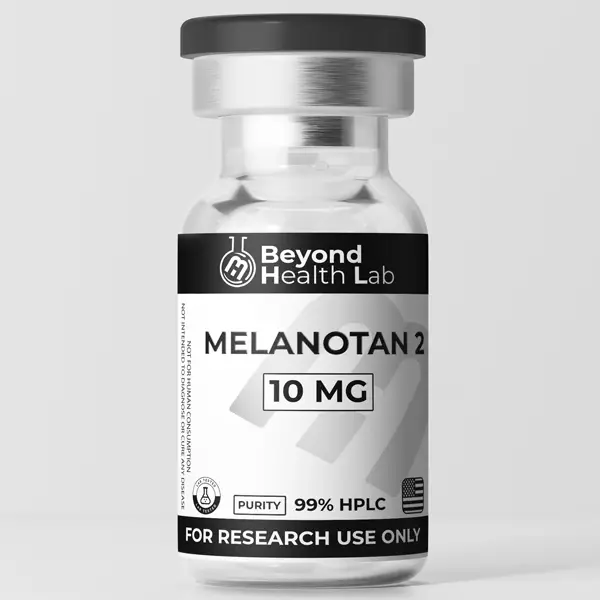
Melanotan 2 peptide: From Tanning Agent to Master Regulator
In recent years, Melanotan 2 has garnered significant attention, initially celebrated for its ability to promote tanning. However, emerging research suggests that this synthetic peptide may have broader implications for health beyond aesthetic enhancement. As scientists explore its biological functions, Melanotan 2 is increasingly viewed as a potential master regulator influencing various physiological processes. This article delves into its origins, mechanisms, potential health benefits and risks, and the future directions of research to better understand its role in human health.
Understanding Melanotan 2: Origins and Primary Uses
Melanotan 2 was developed in the late 1990s as a synthetic analog of the naturally occurring alpha-melanocyte-stimulating hormone (α-MSH). Originally designed to address skin-related conditions and pigmentation disorders, it was intended to stimulate melanin production, thereby promoting a natural tan and reducing the need for ultraviolet exposure. Its ability to induce pigmentation quickly and effectively made it an attractive option for individuals seeking a tanned appearance without sun damage, leading to its popularity in certain cosmetic and recreational circles.
Beyond its cosmetic applications, Melanotan 2 was also explored for its potential therapeutic effects related to sexual function, such as libido enhancement and erectile dysfunction, demonstrating significant erectogenic properties in early clinical trials. Its administration typically involves subcutaneous injections, and dosages vary depending on the intended effect and individual response. Although it was initially used in clinical settings, much of its widespread use has been informal, often in unregulated markets, raising concerns about safety and authenticity.
Despite its primary association with tanning, Melanotan 2’s origins as a peptide designed to manipulate pigmentation pathways opened avenues for investigating its broader biological roles. Its capacity to influence hormonal and cellular responses suggested that its applications could extend well beyond aesthetics, prompting scientific curiosity about its potential as a regulatory agent in various physiological systems.
The Biological Mechanisms Behind Melanotan 2’s Effects
Melanotan 2 exerts its effects primarily through the activation of melanocortin receptors, particularly MC1R, which are expressed in melanocytes—the cells responsible for producing melanin in the skin. Upon binding to these receptors, Melanotan 2 stimulates melanin synthesis, leading to increased pigmentation. This pathway is central to its tanning effects, mimicking the natural response of the skin to ultraviolet radiation. Additionally, the peptide influences other melanocortin receptors, such as MC3R and MC4R, which are heavily involved in energy homeostasis, appetite regulation, and neuroendocrine functions.
The activation of central nervous system pathways by Melanotan 2 accounts for some of its more intriguing effects, including increased libido and appetite suppression. By engaging receptors in the brain, it can modulate neuropeptide activity, influencing behaviors and physiological states associated with stress, feeding, and sexual function. These mechanisms highlight the peptide’s potential to act as a neuromodulator, impacting multiple systems through complex receptor interactions. Its ability to cross the blood-brain barrier and influence central pathways adds to its profile as a molecule with diverse biological effects.
Moreover, modern research indicates that melanocortin peptides like Melanotan 2 may strongly influence inflammatory responses, oxidative stress, and cellular proliferation. Its interaction with melanocortin receptors can modulate immune cell activity and cytokine production, suggesting potential roles in managing inflammatory conditions and accelerating wound healing. These mechanisms are still being explored, but they underscore the peptide’s capacity to act as a multifaceted regulator within the body.
Potential Health Benefits and Risks of Melanotan 2
Proponents of Melanotan 2 suggest that its health benefits may include increased protection against ultraviolet damage due to enhanced melanin production, which naturally shields skin cells from harmful radiation. Additionally, some studies have hinted at its potential to improve immune responses, reduce inflammation, and even promote skin repair processes. Its ability to influence sexual function has also been explored, with clinical studies reporting profound libido enhancement and improved erectile function in users. These potential benefits have fueled interest in further research to validate and understand its full therapeutic potential.
However, the use of Melanotan 2 is not without risks. Side effects reported include nausea, flushing, increased blood pressure, and unintended pigmentation changes. Furthermore, dermatological studies have noted the sudden eruption and darkening of melanocytic nevi (moles), raising serious concerns about the risk of melanoma or other skin cancers—particularly with unregulated use or excessive dosing. Because it influences hormonal pathways and immune responses, there is also concern about long-term effects on endocrine health and immune function with chronic use.
The safety profile of Melanotan 2 remains uncertain due to limited long-term clinical trials and the prevalence of its use outside regulated medical contexts. Potential risks must be carefully weighed against any purported benefits, and individuals considering its use should consult healthcare professionals.
Future Perspectives and Research Directions
The expanding interest in Melanotan 2 underscores the need for rigorous scientific investigation to elucidate its full range of biological effects and safety profile. Future research is likely to focus on detailed clinical trials to assess its efficacy in treating pigmentation disorders, immune modulation, sexual dysfunction, and other conditions. Advances in understanding receptor interactions and signaling pathways could enable the development of more targeted derivatives with improved safety and specificity, minimizing adverse effects while maximizing therapeutic benefits.
Additionally, exploring the peptide’s potential as a master regulator of physiological processes could open new avenues in regenerative medicine, oncology, and metabolic health. For example, its influence on cellular proliferation and immune responses suggests possible applications in wound healing, cancer therapy, or metabolic syndromes. However, these prospects require careful validation through controlled studies to establish efficacy, dosage, and long-term safety.
Key Takeaways
- Beyond Tanning: Originally developed as a synthetic analogue of α-MSH to promote skin pigmentation without UV exposure, Melanotan 2 is now recognized for its broad systemic effects.
- Complex Mechanism of Action: It works by binding to melanocortin receptors (MC1R for skin pigmentation; MC3R and MC4R for central nervous system effects like appetite and sexual function).
- Potential Therapeutic Benefits: Clinical and preliminary studies show promise for treating erectile dysfunction, boosting libido, regulating appetite, and modulating inflammation and oxidative stress.
- Significant Safety Risks: Unregulated use carries serious side effects, including nausea, cardiovascular strain, the rapid darkening/eruption of moles, and potential melanoma risks.
- Future Potential: Scientists are currently exploring how melanocortin peptides could be utilized in regenerative medicine, specifically for immune modulation and cutaneous wound healing.